

Kieran Donoghue, CEO
The outlook for Northern Ireland businesses in 2026
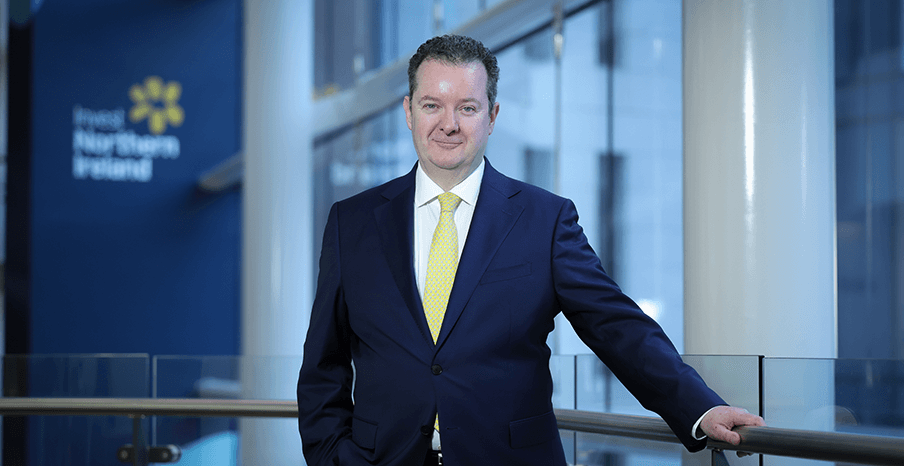
This article was originally published in Business Eye.
Last year was challenging for businesses. Shifting trade conditions, geopolitical tensions, and energy price fluctuations fuelled uncertainty in markets and hindered growth.
Closer to home, Northern Ireland experienced a tight labour market, creating skills pinchpoints in some sectors. Businesses faced rising cost pressures from National Insurance contributions, real living wage adjustments and energy volatility – all of which disproportionately impact micro and small businesses.
As we start 2026, many of these issues persist. However, there is reason to be cautiously optimistic as we begin the new year.
Economic growth
Northern Ireland’s economic growth is currently outperforming other UK regions.
Economic output here increased by 2.8% in the second quarter of 2025, according to the Economic and Social Research Institute. The main driver of growth was the business services sector. Danske Bank predicts this sector will experience the strongest rates of growth in 2026.
Demand should reignite in the screen crushing sector after tariff uncertainty reduced purchases last year, while AI will sustain innovation in financial services and cybersecurity. The gradual decline in inflation is also predicted to grow consumer confidence which could fuel further economic growth.
External sales and exporting
Across all sectors, the drive to win new business through external sales or exporting is crucial to our economic growth.
S&P Global’s economic report published at the end of last year said businesses predicted opportunities emerging and confidence marginally improving in 2026. However, renewed geopolitical tensions might have a ripple effect in some markets.
In 2025, Northern Ireland outperformed all other regions of the UK in terms of sustained growth in exports to the EU, a trade market worth £6 trillion. While it’s difficult to track the specific reasons for trade wins, dual market access is a unique competitive advantage for our businesses over GB and EU counterparts.
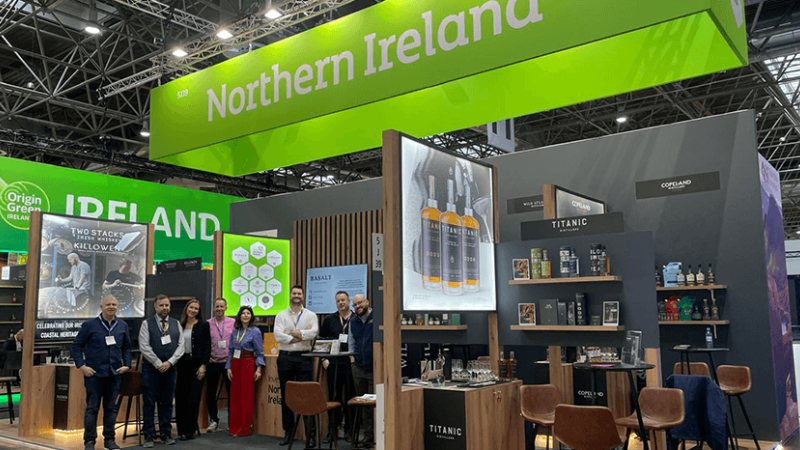
As part of our work to help businesses export, we’re continuing to evaluate the impact of tariffs, monitor supply chain issues and develop advice and support to assist businesses navigate dual market access.
Our team in Düsseldorf, for example, helped energy services company Joulen with market research, due diligence, and navigating the German business landscape. This advice and guidance helped the company win a £4m contract.
Research and development
S&P Global’s Market Intelligence survey showed that investing in innovation, technology and efficiency was one of the top opportunities going into 2026.
Investing in innovation and research and development (R&D) can drive business growth and help Northern Ireland businesses reach new customers and markets.
More of Invest NI’s clients are undertaking R&D, innovation and automation with our support. We’ve seen firsthand how R&D and investing in innovation can help businesses grow. Seagate Technology’s £115m investment in new hard drive technology positions its North West facility as a leader in nanophotonics R&D engineering, creating jobs and putting Northern Ireland on the world stage for nanophotonics.
Boosting productivity
But what can really help Northern Ireland businesses is boosting productivity.
Productivity can mean different things for different businesses. For a large manufacturing business, it might look like large automated production lines; and in a services-based business, it could be AI adoption to streamline efficiency.
Productivity is the centrepiece of Northern Ireland’s economic ambitions. Invest NI recognises it’s a fundamental driver of living standards and prosperity, which is why we’re so focused on it as a measure of economic success. New funding opportunities, including our Resource Efficiency Capital Grant, Shared Ireland Sustainability Capital Grant and our Agri-Food Investment Initiative are aimed at supporting more businesses to become more productive, profitable and sustainable.
Last year, our Agri-Food Investment Initiative supported Mackle Foods to invest £6.3m to expand its factory and enhance automation; Deli Lites to invest £12.8m to automate its production; and Ready Egg to invest £2.9m to increase operational efficiency.
Future outlook
As we enter 2026, I believe we can do so with positivity and cautious ambition. Many businesses are resilient and willing to invest in the activities necessary for growth to exploit commercial opportunities in external markets while addressing associated challenges.
Continuing to support and collaborate will help us all build a stronger enterprise economy and bring wider societal benefits across Northern Ireland.
Comments